Services
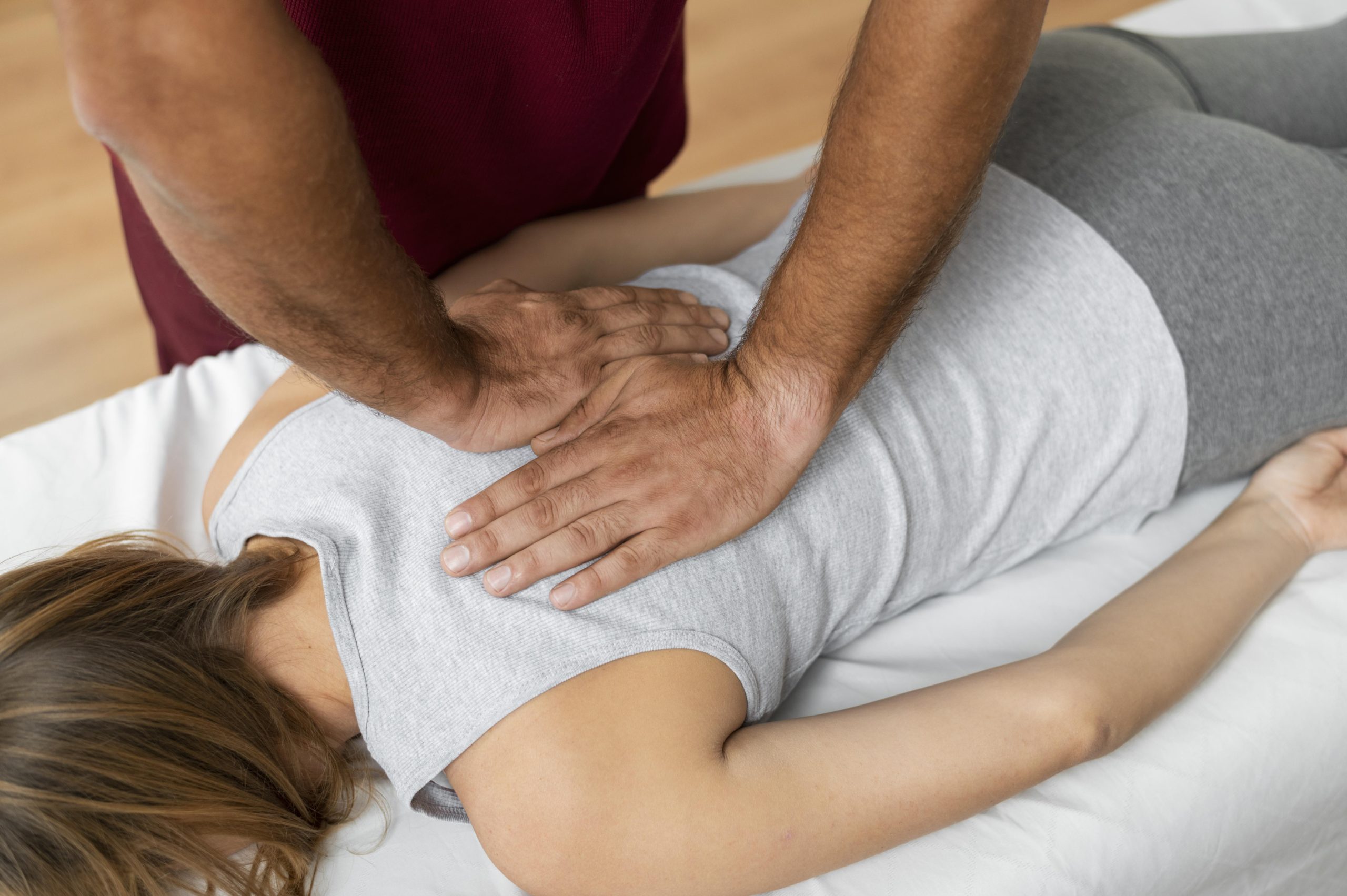
Manual Therapy
What Is Manual Therapy?
At its core, manual therapy is a clinical, hands-on approach where the physiotherapist uses their hands to evaluate and treat joints, muscles, nerves, tendons, and connective tissues. It goes beyond simple massage: it includes joint mobilizations, soft-tissue techniques, neural mobilization, stretching, and specific manipulative techniques tailored to each patient’s condition. This approach is grounded in clinical reasoning and scientific evidence, meaning each technique is selected based on a detailed assessment of the cause of dysfunction, not just the symptoms.
Philosophy & Clinical Approach
The philosophy behind manual therapy in physiotherapy includes several key principles:
Treat the cause, not just symptoms: Therapists analyse movement, joint mechanics, and tissue behaviour to identify underlying dysfunctions rather than simply relieving pain temporarily.
Hands-on clinical reasoning: Each session is individually tailored based on careful evaluation and ongoing reassessment.
Integration with active care: Manual techniques are most effective when combined with therapeutic exercise, education, and functional rehabilitation for long-term improvement.
Holistic perspective: Contemporary manual therapy considers not only physical structures, but also how pain and movement are influenced by the nervous system and daily functional demands.
Common Techniques Used in Manual Therapy
Manual therapy encompasses a range of hands-on techniques, including:
• Joint Mobilisations & Manipulations – gentle to more specific movements to restore joint mobility.
• Soft-Tissue Mobilisation – targeted work on muscles, fascia, tendons, and ligaments.
• Trigger Point Therapy & Myofascial Release – to reduce muscle tension and improve tissue mobility.
• Neural Mobilisation – gentle techniques to reduce nerve sensitivity and improve neural movement.
• Manual Stretching — assisted stretching for improved flexibility.
These are adapted for each person’s needs and integrated with exercise and movement retraining.
Benefits of Manual Therapy
Manual therapy offers a wide range of benefits, many of which patients begin noticing early in their care:
• Pain Relief
Hands-on techniques help reduce pain by decreasing muscle tension, improving joint play, and influencing neurological pathways involved in pain perception.
• Increased Mobility & Flexibility
Manual mobilisation and stretching help restore normal movement in restricted joints and soft tissues.
• Enhanced Recovery
Improved circulation and reduced tissue tension support tissue healing, reduce swelling, and accelerate recovery.
• Improved Function & Quality of Life
By targeting functional limitations, manual therapy helps you move better in daily activities, work, and sport.
Who Can Benefit? (Applications)
Manual therapy is beneficial for a wide range of conditions, including:
• Back and neck pain
• Shoulder, hip, knee and joint stiffness
• Sports injuries (sprains, strains)
• Post-surgical rehabilitation
• Tendinopathies and soft tissue injuries
• Work-related and repetitive strain injuries
Because it can be adapted to different age groups and activity levels, manual therapy is suitable for athletes, office workers, active adults, and seniors alike.
How It Fits Into Your Treatment Plan
Manual therapy is most effective when combined with a personalised exercise plan and education. While manual techniques can provide immediate relief and improved movement, long-term recovery depends on building strength, control, and functional confidence through active rehabilitation.
Therapeutic Exercise
What is therapeutic exercise?
Therapeutic exercise is a cornerstone of modern physiotherapy. It refers to scientifically designed and individually tailored movement programs prescribed by a trained physiotherapist to help restore, improve, and maintain physical function and health. Unlike general gym workouts, therapeutic exercise is not “one-size-fits-all”, but it is purposeful, goal-oriented, and based on clinical assessment and evidence-based practice.

Philosophy & Approach
At the heart of therapeutic exercise is the belief that movement, when prescribed correctly, heals and empowers. The philosophy includes:
• Individualisation: Each program is custom-designed after detailed assessment of posture, strength, mobility, pain and function.
• Evidence-based practice: Exercise selection, progressions, intensity and frequency are based on the best available scientific evidence.
• Functional outcomes: The focus is on meaningful improvements, such as walking better, lifting without pain, returning to sport or daily activities with confidence.
• Patient participation: Therapeutic exercise is active rehabilitation, which engages the patient in their own recovery and increases autonomy.
Key Benefits
Therapeutic exercise provides broad and well-documented benefits for people of all ages and conditions, including:
• Pain reduction & improved mobility
Targeted movement helps reduce pain and restore natural joint range of motion.
• Strength, endurance & stability improvements
Programs improve muscle strength and endurance, which supports better posture, balance and function.
• Functional independence
By restoring movement patterns and motor control, patients can return more easily to daily life, work and sport.
• Prevention of re-injury
Improved muscle balance and neuromuscular control helps reduce recurring pain or future injuries.
• Evidence-based effectiveness
Multiple high-quality scientific reviews confirm therapeutic exercise benefits across a wide range of conditions, from musculoskeletal pain to chronic disease rehabilitation.
Common Clinical Applications
Therapeutic exercise is versatile and used in healthcare settings worldwide. Typical applications include:
• Orthopaedic conditions: back pain, neck pain, joint injuries, post-surgical rehab.
• Neurological rehabilitation: stroke, multiple sclerosis, balance and gait training.
• Chronic conditions: osteoarthritis, cardiopulmonary conditions requiring functional conditioning.
• Sports performance & injury prevention: strength, flexibility, agility and movement retraining.
• Functional & everyday movement improvement: for older adults, postural dysfunction and general mobility.
The content and intensity depend on each person’s goals and current physical capacity, and progressions are adjusted as recovery advances.
Why It Works
Therapeutic exercise is effective because it uses the body’s natural ability to adapt and heal. Through controlled activation of muscles, joints and neural pathways, movement patterns are re-educated, muscle imbalances are corrected, functional skills are strengthened, and pain and disability are often reduced. This approach is supported by substantial clinical research showing benefits across diverse patient groups.
Massage Therapy
What It Is & How It Helps
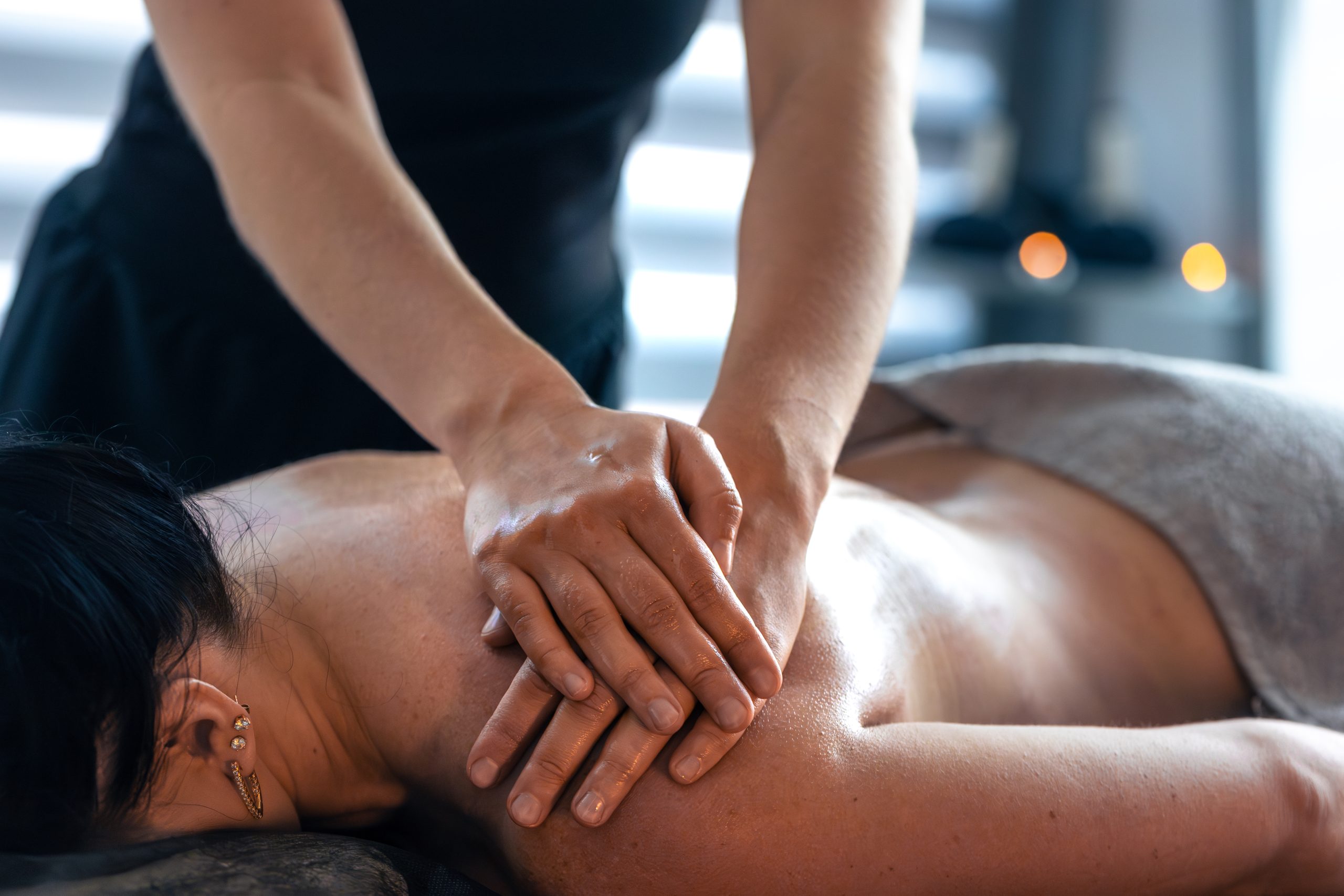
Massage therapy is a form of manual treatment that uses skilled hands and specialized techniques to manipulate the body’s soft tissues, like muscles, fascia (connective tissue), tendons, and ligaments, in order to promote health, function, and well-being. In a physiotherapy setting, massage therapy is not just a luxury; it’s a therapeutic intervention that supports recovery, movement, pain control, flexibility, and overall physical performance.
What Is Massage Therapy?
Massage therapy involves the deliberate movement of soft body tissues using pressure, range of motion, and stretching techniques customized to the needs of each patient. In clinical practice, it is often combined with other physiotherapy treatments such as exercises and manual therapy to maximize outcomes.
Depending on your goals, from relaxation to performance support, massage can be tailored in intensity and focus.
Types of Massage Commonly Used in Physiotherapy
• Soft Tissue Massage
Soft tissue massage is a foundational approach that targets superficial muscles and fascia to reduce tension, improve circulation, and support mobility. It is typically less intense than deeper techniques and focuses on:
Relaxing muscle tension
Reducing pain and discomfort
Improving local circulation
Enhancing range of motion
Evidence suggests that soft tissue massage can produce short-term improvements in pain and function, especially when applied to conditions like shoulder pain, and may help increase active range of motion when combined with exercise and therapy.
• Deep Tissue Massage
Deep tissue massage goes beyond surface muscles to target the deeper layers of muscle and connective tissue. Therapists use slower, firmer pressure to:
Release muscle adhesions and “knots”
Reduce chronic muscle tension
Improve mobility in stiff areas
Support recovery from overuse and postural stress
Deep tissue work is especially helpful for clients with chronic muscle tightness, post-exercise soreness, or recurring tension patterns. Scientific studies in athletic populations have shown that regular deep tissue massage improves muscle recovery, flexibility, and even aspects of performance (such as strength and joint mobility) when incorporated into a structured program.
• Sports Massage
Sports massage is a goal-oriented form of massage tailored to people engaged in physical activity, from recreational exercisers to elite athletes. While it often incorporates techniques similar to both soft tissue and deep tissue work, the key difference lies in the purpose and timing of the session:
Pre-activity: to prepare muscles, increase circulation, and optimize movement patterns
During training periods: to maintain mobility, reduce muscle tension, and assist recovery
Post-activity: to support recovery, reduce delayed onset muscle soreness (DOMS), and help restore tissue flexibility
Sports massage aims to support training consistency, aid in the prevention of soft tissue injuries, and complement rehabilitation programs after strain or overload. Research indicates that sports massage can provide small but meaningful reductions in post-exercise muscle soreness and improvements in flexibility, although its effects on performance measures like sprint speed or endurance are mixed and may depend on timing and combination with other recovery.
Benefits of Massage Therapy
Massage therapy has a range of well-recognized benefits that make it a valuable part of a physiotherapy service offering:
• Pain relief: Manual techniques help modulate pain signals and reduce muscle sensitivity
• Improved flexibility & range of motion: Massage can help ease tissue restrictions and support mobility gains
• Enhanced recovery: By stimulating blood flow and calming tissue tension, it can lessen the sensation of post-exercise soreness
• Support for injury prevention and rehabilitation: Targeted massage helps identify and address muscle imbalances that might contribute to strain
• Stress reduction and relaxation: Massage activates the parasympathetic nervous system, promoting calm and lowering stress
• Improved sleep and well-being: Relaxation and pain relief often support better sleep and restore overall balance
• Better engagement with therapy: Clients often feel more comfortable and receptive to exercise programs when pain and stiffness are reduced.
Applications in Physiotherapy
Massage therapy can be used as part of:
• Acute injury management: to reduce guarding and promote tissue readiness for movement
• Chronic pain programs: to manage long-standing tension patterns and improve function
• Pre- and post-exercise routines: to prepare tissues and support recovery
• Rehabilitation plans: combined with exercises and manual techniques to optimize outcomes
• General wellness and pain control: for individuals with work-related postural issues or everyday musculoskeletal discomfort
Conclusion
Massage therapy, whether soft tissue, deep tissue, or sports-oriented, is a flexible and evidence-informed intervention within physiotherapy. It supports pain management, tissue mobility, recovery, and overall functional performance. When delivered by skilled professionals and integrated into a comprehensive treatment plan, massage offers both immediate relief and long-term support for your clients’ health and physical goals.
Cognitive Behavioral Therapy (CBT)
What is the Cognitive Behavioral Therapy (CBT) Approach?
Cognitive Behavioral Therapy (CBT) is an evidence-based approach focused on how thoughts, emotions, and behaviors are interconnected and influence one another. Unlike approaches that focus primarily on past experiences, CBT emphasizes on understanding and reshaping patterns of thinking and behavior that may be maintaining discomfort or unhelpful responses in daily life.
At its core, CBT rests on the idea that our perceptions and interpretations of events, not just the events themselves, shape how we feel and act, and by identifying and adjusting unhelpful thought patterns, people can improve how they cope with challenges and stressors.

Philosophy Behind CBT
The CBT approach is grounded in a practical philosophy that:
Thoughts, feelings, and behaviors are closely linked.
Changing unhelpful thinking leads to changes in emotional and physical responses.
People can learn tools and strategies to manage their reactions and daily functioning more effectively.
Rather than exploring deep, unconscious motives, CBT focuses on present-day challenges, helping individuals recognize patterns that may contribute to discomfort and replacing these with more adaptive thinking and behaviors.
Benefits of the CBT Approach
Extensive research shows that CBT-informed techniques can:
• Improve Coping Skills
By learning to identify unhelpful thoughts and behaviors, individuals can develop strategies to respond to stress, pain, or challenging situations more effectively.
• Support Emotional Regulation
CBT helps people recognize links between their thoughts and emotions, which can lead to better emotional balance and reduced distress.
• Promote Active Participation
The approach encourages active engagement in self-reflection and practice — including activities outside of sessions — so that gains carry into daily life.
• Evidence-Based and Structured
CBT is one of the most well-studied therapeutic approaches in clinical research, shown to be effective in structured and goal-oriented formats.
Practical Applications in Physiotherapy
While CBT is traditionally a psychological modality, many of its principles are valuable in physiotherapy because they help people:
Understand how thoughts (e.g., about pain or movement) influence physical responses.
Reduce fear-avoidance behaviors that can limit recovery or activity.
Build confidence in managing symptoms and improving function.
Set achievable goals and cope better with long-term conditions or chronic pain.
This makes CBT-informed strategies especially helpful when integrated with physical rehabilitation, movement retraining and pain management programs, which helps patients address both the physical and psychological aspects of recovery.
Important Disclaimer
Please note: This clinic does not provide psychological counselling or psychotherapy services.
The Cognitive Behavioral Therapy approach we use is an evidence-based strategy applied within the scope of physiotherapy to support your rehabilitation journey, particularly in how thoughts and behaviors may interact with physical symptoms and recovery.